When considering Refractive Lens Exchange (RLE), it's important to weigh the expenses against potential long-lasting advantages. You might locate that the preliminary financial investment, which includes doctor costs and advanced lens innovations, can repay over time. But just how does RLE stack up against other options like LASIK? And are the benefits worth the ahead of time price? Let's discover what please click for source can indicate for your vision and way of living.
Understanding the Prices of Refractive Lens Exchange
When taking into consideration refractive lens exchange, it's essential to grasp the different prices entailed.
Initially, https://bella-penelope.blogbright.net/find-out-just-how-refractive-lens-exchange-could-change-your-vision-however-are-the-advantages-worth-the-dangers-discover-the-information-inside 'll experience the doctor's fee, which can differ based upon their know-how and area. Additionally, facility charges for the clinic may use.
Don't forget about pre-operative and post-operative examinations; these are critical for your general care.
You may also wish to think about the expense of sophisticated innovation lenses, which often enhance your vision but come with a costs.
Insurance policy insurance coverage can contribute as well, so contact your provider to see what's consisted of.
Eventually, recognizing these expenses aids you budget successfully and make an enlightened choice about your vision correction trip.
Comparing RLE to Other Vision Modification Options?
Refractive lens exchange (RLE) uses a special approach to vision improvement, but it is essential to contrast it with other options like LASIK and cataract surgery.
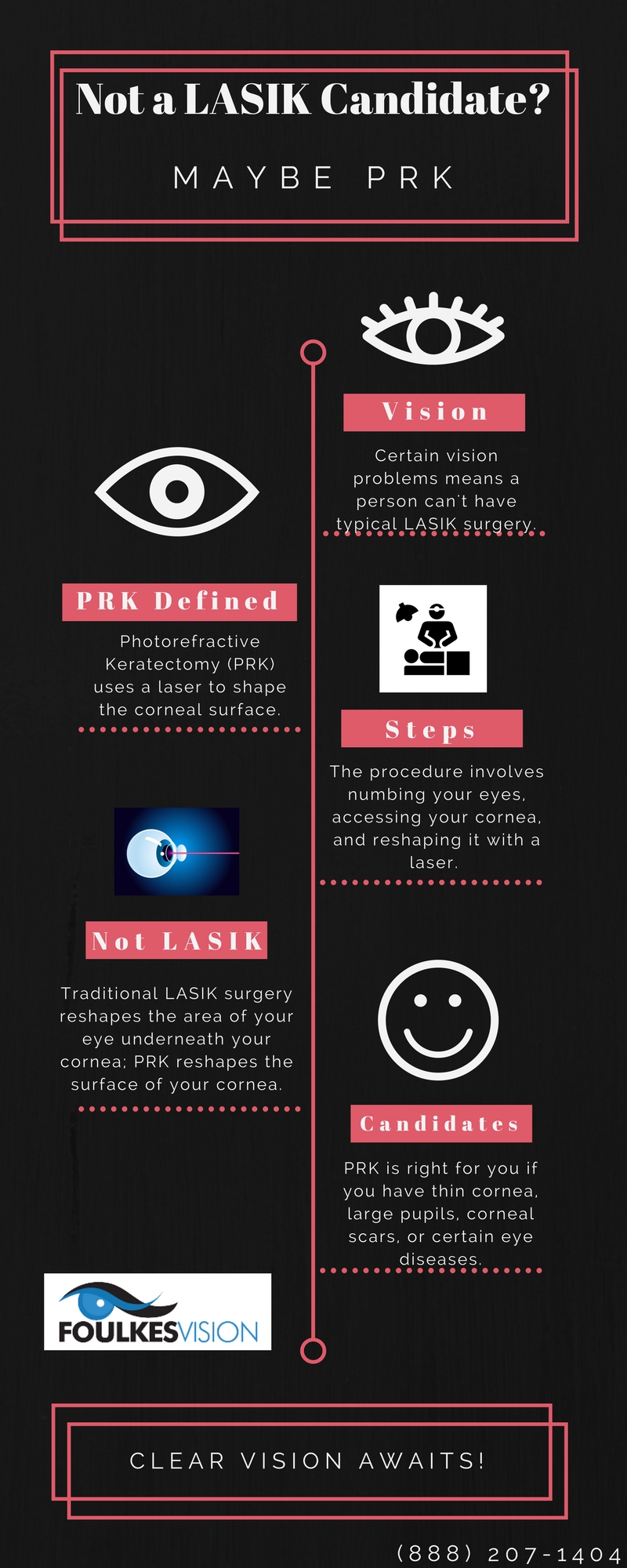
LASIK uses a laser to reshape the cornea, making it excellent for those with light to moderate nearsightedness, farsightedness, or astigmatism. It generally has a shorter recovery time and lower in advance expense than RLE.
On the various other hand, cataract surgery focuses on eliminating over cast lenses and is typically covered by insurance.
RLE, nevertheless, addresses presbyopia and other refractive mistakes at the same time, which can be valuable for older adults.
Inevitably, your choice depends upon your vision requires, way of life, and budget plan, so consider the pros and cons thoroughly prior to determining.
Examining Long-Term Perks vs. Upfront Expenditures
While taking into consideration refractive lens exchange, it's vital to evaluate the long-term benefits versus the upfront expenditures. The first expense may appear complicated, yet think of the money you 'd save on glasses and get in touches with in time. You won't simply obtain more clear vision; you'll also take pleasure in a way of living without the hassle of day-to-day lens care.
In addition, boosted sight can improve your quality of life, permitting you to participate in tasks without restrictions. Factor in prospective savings on eye examinations and corrective lenses, and the general value comes to be more clear.
In the end, assessing both the instant financial effect and the long-term benefits can help you make a knowledgeable decision about whether refractive lens exchange deserves the price for you.
Verdict
In conclusion, thinking about RLE's expenses includes more than simply the preliminary investment. Evaluate the long-term benefits against the upfront expenses to see if it straightens with your vision requirements and way of life. While RLE might appear pricier than LASIK, the potential for reduced dependency on glasses and boosted lifestyle can make it beneficial. Eventually, it has to do with locating the appropriate balance for your unique scenario. Take your time, and choose what's best for your eyes.